REAL ESTATE MARKETING GUIDE
Learn how to plan your marketing, build a lead-focused website, improve search visibility, generate inquiries, and manage leads more effectively. Use this guide to understand the key components of a real estate marketing strategy and decide what to prioritize for your business.
GUIDE OVERVIEW
Jump to the topic that matters most to you. Each section covers practical marketing strategies, useful steps, and relevant resources to help you strengthen your real estate business online.

01
Define your goals, understand your audience, and plan your marketing priorities.
02
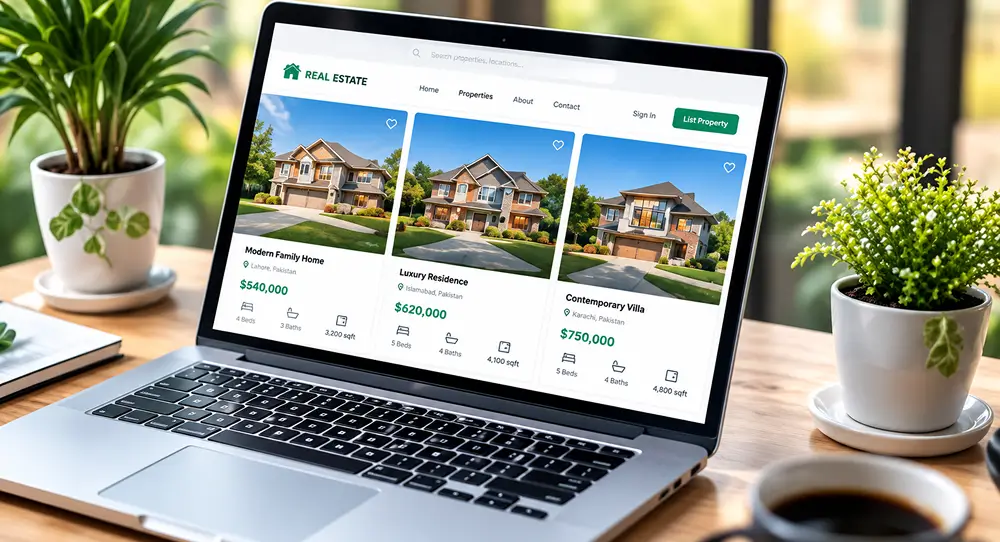
Build a professional online presence that helps visitors understand your services and inquire.
03
Improve how potential clients discover your business through search.
01
A strong real estate marketing strategy starts with clear goals and a defined audience. Before investing in individual marketing channels, understand who you want to reach, what you want to achieve, and which activities best support your business.
Define your target market
Identify the people or businesses you want to reach, the locations you serve, and the services you want to promote.
Set measurable goals
Choose meaningful objectives, such as increasing qualified inquiries, improving local visibility, promoting a service, or improving lead follow-up.
Plan your budget and priorities
Decide which marketing activities to focus on first based on your goals, resources, current setup, and available budget.

02
Your website is often where potential clients learn about your business and decide whether to contact you. It should communicate your services clearly, work well on mobile devices, and make the next step easy to understand.
Design for your target audience
Organize your website around the questions, needs, and goals of the people you want to reach.
Include relevant pages and information
Create useful service pages, property information where relevant, location details, and clear explanations of your value.
Make it easy to take action
Use clear calls to action, accessible contact information, and well-placed inquiry forms.
Keep the experience fast and usable
Make sure visitors can navigate the website easily on mobile and desktop, with readable content and working forms.
03
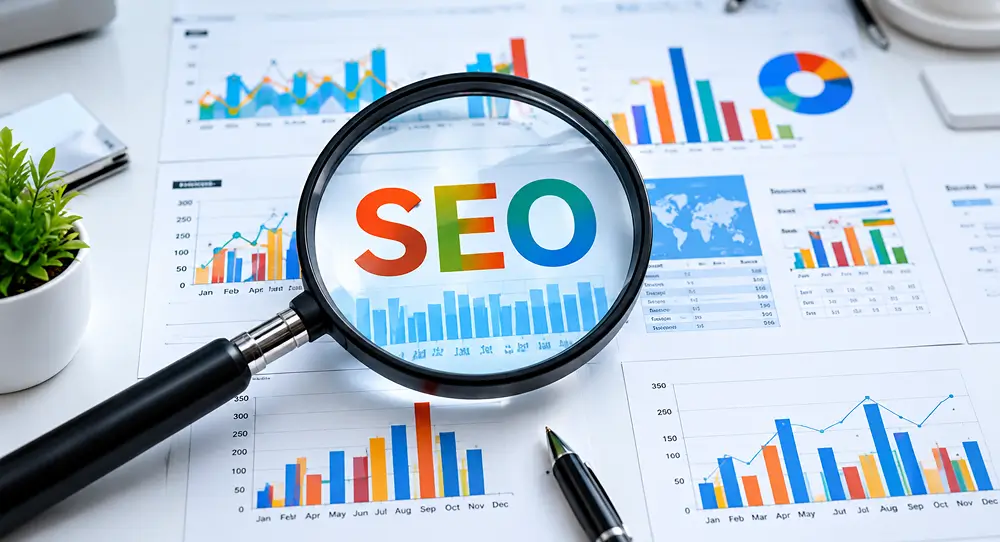
Search engine optimization helps potential clients discover relevant pages on your website when they search for services, businesses, or property-related information. A useful SEO strategy combines a technically sound website with relevant content and a clear understanding of your target market.
Research relevant keywords
Understand the language your audience uses when searching for your services and the markets you serve.
Optimize your website and content
Use clear page titles, useful headings, descriptive links, and relevant information that answers visitors’ questions.
Strengthen local visibility
Keep your business information accurate and improve location-relevant pages and profiles where appropriate.
Build useful content over time
Publish helpful information that addresses genuine questions from your target audience rather than creating pages solely to repeat keywords.
04
Paid search advertising can help your business appear for relevant searches and reach people looking for specific services. Effective campaigns need clear targeting, a relevant landing page, appropriate conversion tracking, and ongoing evaluation.
Target relevant audiences and locations
Choose campaign settings based on your services, geographic market, and business goals.
Create focused landing pages
Give visitors a relevant destination that explains the offer and makes it easy to inquire.
Track meaningful conversions
Measure useful actions, such as completed inquiry forms or calls, where tracking can be configured appropriately.
Review and optimize campaigns
Evaluate performance data and make adjustments to targeting, ads, landing pages, and budget as appropriate.
05
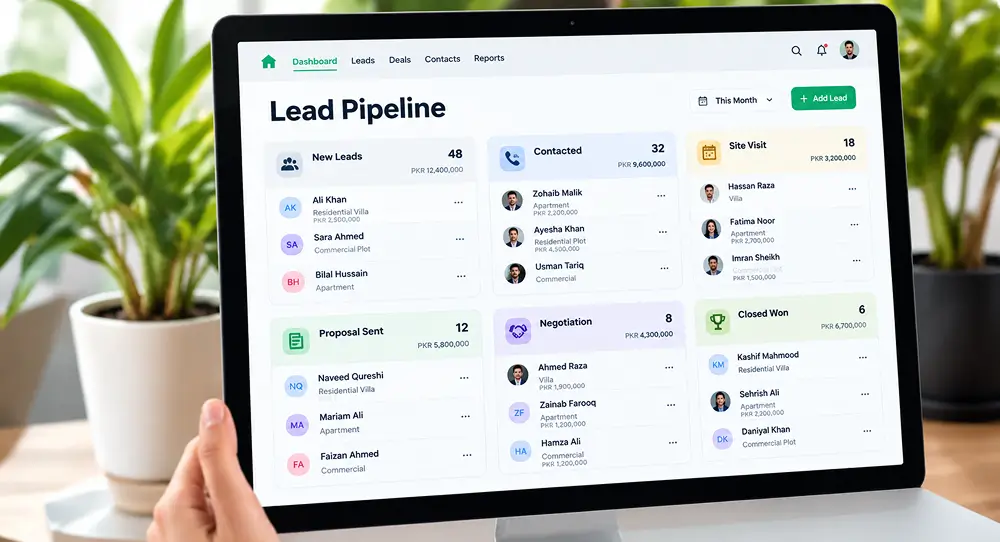
Generating inquiries is only one part of marketing. Your business also needs a practical way to organize incoming leads, track their progress, and follow up consistently. A well-configured customer relationship management (CRM) system can help connect these activities.
Capture leads from relevant sources
Bring supported website forms, landing pages, and advertising inquiries into an organized workflow.
Decide what happens next
Establish clear lead assignment, ownership, and follow-up procedures that suit your business.
Use automation where it helps
Automate appropriate tasks, notifications, and follow-up steps without losing the personal communication your clients need.
Track your pipeline
Monitor lead status and follow-up activity so opportunities are easier to manage.
06
Marketing data helps you understand which activities are contributing to your business goals and where improvements may be needed. Choose metrics that reflect the outcomes you care about rather than focusing on traffic or clicks alone.
Monitor meaningful metrics
Depending on your goals and tracking setup, review qualified inquiries, conversion rates, advertising costs, relevant website activity, and lead follow-up.
Evaluate individual channels
Look at how your website, SEO, advertising, and lead-management processes are performing within their intended roles.
Identify opportunities for improvement
Use available data to refine landing pages, campaign targeting, website content, and follow-up workflows.
Plan the next round of improvements
Prioritize changes based on evidence, business needs, and the resources available.

07
Every real estate business is different. The right marketing approach depends on your audience, services, market, current systems, and goals. Use the topics in this guide to identify what needs attention first, then build from there.
Understand your current situation
Review your website, search visibility, lead sources, and follow-up process to identify the biggest gaps.
Choose what to do next
Prioritize the improvements most closely connected to your business goals and available resources.
Get guidance suited to your business
Explore marketing recommendations relevant to your audience and the stage your business is at.

Get a personalized marketing plan based on your business goals, current setup, and priorities. Explore the services that may help you strengthen your online presence and improve your lead-generation process.